Bitcoin Payments Explained: Benefits, Risks, and Smart Use for Scandinavian Consumers
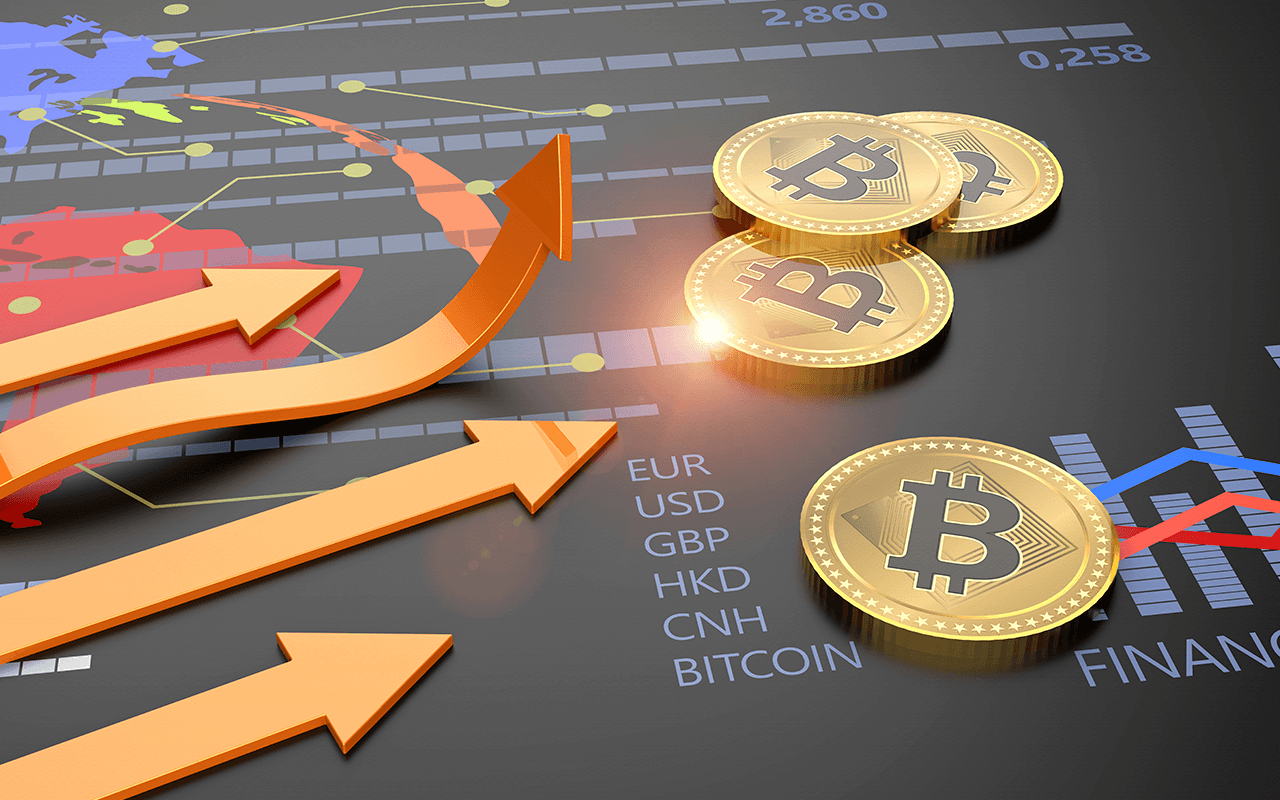
As digital currencies become more familiar to everyday consumers, Bitcoin has steadily moved from a niche experiment into a widely discussed financial tool. Across Scandinavia, interest is growing not only among tech enthusiasts but also among ordinary users seeking alternative, flexible payment methods. Early in this transformation, many people explore unfamiliar topics such as 10 facts or new financial trends online—an indication of how digital curiosity is shaping modern behaviour. Bitcoin has naturally become part of this curiosity-driven landscape.
While Denmark and Sweden remain cautious in their regulatory approach, Nordic consumers are increasingly open to testing new solutions in e-commerce, gaming, entertainment, and peer-to-peer transactions. Understanding how Bitcoin works—and what its advantages and disadvantages are—is essential for anyone considering it as a payment option.
What Exactly Is Bitcoin?
Bitcoin is a decentralised digital currency that operates without attachment to a traditional bank or government-controlled financial system. Instead of being issued by a central authority, Bitcoin is generated through a process known as mining. Miners solve complex mathematical problems using specialised hardware and software, and the reward for solving each problem is a predefined amount of Bitcoin.
This decentralised structure means that Bitcoin’s market value is determined exclusively by supply and demand. When more people use it, the price rises; when interest drops, so does the value. Holders can store their currency in a digital wallet that functions similarly to mobile banking apps—but without institutional oversight.
Bitcoin wallets allow users to send, store, and receive coins globally, making the system appealing to groups seeking financial independence or flexibility. For Swedes who often shop online from Danish retailers or use cross-border digital services, Bitcoin presents a borderless solution that bypasses international banking fees and processing times.
The Key Advantages of Bitcoin
1. No Chargebacks
One of the biggest concerns for online businesses—whether in Denmark, Sweden, or elsewhere—is fraudulent chargebacks. A customer pays with a credit card, receives the product, and later reverses the transaction. This leaves the merchant with both financial loss and stolen goods.
Bitcoin eliminates this risk entirely. Transactions are irreversible: once a payment is made from the customer’s wallet to the merchant’s wallet, it cannot be undone. This offers security and predictability for sellers and reduces the administrative burden associated with disputed payments.
2. Higher Privacy and Discretion
Bitcoin transactions are not fully anonymous, but they provide significantly more privacy than traditional payment methods. Wallet addresses are not automatically linked to personal identities, meaning users can manage payments without sharing sensitive information like card numbers or bank details.
For consumers who value discretion—such as those making digital purchases or paying for subscription-based services—Bitcoin offers an appealing level of separation between identity and transaction.
3. Accessibility for All
Bitcoin requires nothing more than internet access, a smartphone, or a computer. This makes it a useful tool for individuals who do not have access to traditional banking methods, or who prefer to avoid sharing personal financial information.
Its versatility also means users can spend Bitcoin in a wide range of settings: online marketplaces, gaming platforms, delivery services, or even peer-to-peer exchanges. Many Scandinavian consumers have noticed that even smaller businesses sometimes accept Bitcoin due to lower operational barriers.
The Limitations and Risks of Bitcoin
1. Public Transaction Records
Although Bitcoin wallets offer privacy, the blockchain itself is entirely public. All transactions are permanently recorded on a decentralised ledger. If a wallet address is ever linked to a specific person—through a data leak, a hacked email account, or a shared screenshot—privacy is compromised.
Responsibility for maintaining security lies entirely with the owner of the wallet. Losing private keys or mishandling personal information can lead to permanent loss of funds.
2. Market Volatility
Bitcoin’s value changes dramatically within short timeframes. For business owners, this unpredictability represents a significant challenge. Accepting Bitcoin at one price and exchanging it later at a lower price can result in substantial losses.
Even everyday users may find it stressful when the value of their coins fluctuates wildly. This volatility remains one of the biggest barriers preventing widespread adoption across Nordic mainstream markets.
3. Uncertain Regulatory Environment
Despite Bitcoin’s growing popularity, financial authorities across Europe still debate how to regulate it. In Sweden and Denmark, the legal framework continues to evolve, leaving businesses unsure of how future rules may affect their operations.
A stable regulatory structure will eventually arrive, but until then companies using Bitcoin must be prepared for sudden policy shifts. Adapting quickly will be essential for compliance and long-term sustainability.
Choosing Bitcoin Payments Wisely
Bitcoin can be a powerful tool when used with knowledge and caution. However, like all payment systems, it requires careful decision-making. Scandinavian consumers are increasingly relying on independent sources when evaluating financial tools, including cryptocurrencies. Published guides, consumer reviews, and platforms like online reviews help users make more informed choices.
When considering Bitcoin, users should evaluate:
-
whether they are comfortable with volatility
-
the security level of their digital wallet
-
how quickly they may need to convert Bitcoin into traditional currency
-
whether the service they use is reliable and compliant with regional regulations
Bitcoin is neither a perfect solution nor a temporary trend. It is a developing ecosystem that reflects a broader cultural shift toward digital freedom, decentralisation, and cross-border economic participation.
For Swedes who frequently interact with Danish digital services, Bitcoin represents both opportunity and responsibility—a tool that can simplify payments across borders, but also one that requires awareness and proactive protection.
Map
All Dates
- 22.10.2023
- 14.04.2024
- 10.03.2024
- 25.02.2024
- 14.01.2024
- 19.11.2023